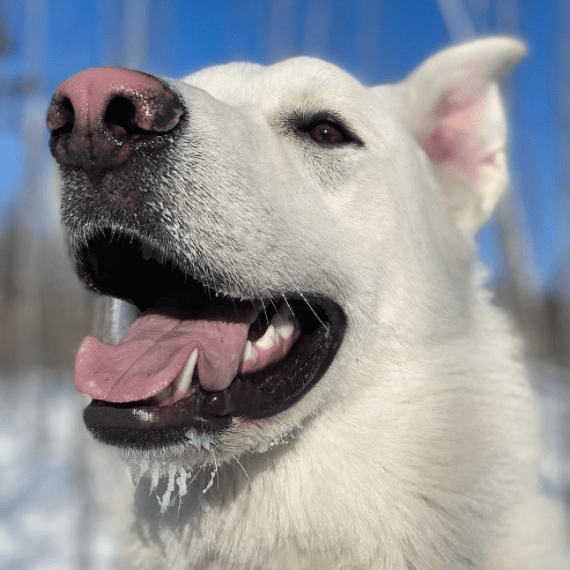

Welcome to another insightful edition of the Hawkwatch Dog Blog! Today, we delve into the intriguing world of dog-to-dog interactions. Dogs are highly social animals, and their interactions with other dogs play a vital role in their well-being and social development. In this post, we’ll explore the differences between a dog interacting with a familiar companion versus meeting a new dog for the first time. Let’s uncover the fascinating dynamics of these interactions!
- The Power of Familiarity: Familiarity shapes a dog’s behavior during interactions with other dogs. Dogs tend to exhibit a sense of relaxation and comfort when interacting with a familiar companion. Play, greetings, and shared activities flow more effortlessly, as a sense of familiarity allows for a deeper understanding and ease in their interactions. If you know me you know my saying a dog will do what it has done! So having those “friends” your dog knows and is relaxed around is amazing socialization!
- Decoding Canine Communication: Canine communication and body language play a crucial role in dog-to-dog interactions. Dogs utilize an intricate range of signals, including body postures, facial expressions, vocalizations, and tail wagging, to convey their intentions and emotions. When dogs know each other well, they develop a subtle communication system and a heightened awareness of each other’s signals. Check down below for my other blog post on how to read a dogs body language!
- Establishing Harmony and Boundaries: When dogs encounter a new dog, the process of establishing hierarchy and boundaries comes into play. Sniffing, circling, and posturing help them navigate this initial interaction, determining social status and establishing comfort levels. Dogs meeting for the first time may exhibit cautious or assertive behavior as they establish their social footing.
- Play and Socialization: Play and socialization dynamics differ between familiar and new dog interactions. Dogs who are already acquainted engage in spirited play, chase games, and cooperative activities that reflect their trust and shared understanding. On the other hand, dogs meeting for the first time may engage in more cautious play styles, taking time to assess each other’s intentions.
- The Human Influence: Human influence significantly impacts dog-to-dog interactions. Owners’ behavior, demeanor, and handling can shape how dogs perceive and interact with both familiar and new dogs. Providing positive, calm, and controlled environments during introductions fosters successful interactions and sets the stage for harmonious relationships.
- The Role of Socialization and Training: Early socialization and training are crucial in shaping a dog’s ability to interact with other canines. Well-socialized dogs tend to display adaptability, confidence, and comfort when encountering both familiar and new dogs. Prioritizing socialization and obedience training helps facilitate positive and rewarding dog-to-dog interactions.
- Embracing Individual Differences: Each dog possesses a unique personality, temperament, and past experiences that influence their behavior during interactions. Some dogs naturally gravitate towards being outgoing and sociable, while others may be more reserved or cautious. Recognizing and respecting these individual differences is key to promoting healthy and enjoyable social interactions for every dog.
Conclusion: Interactions between dogs, whether with familiar companions or new acquaintances, offer valuable insights into their social nature and communication skills. By recognizing and appreciating the differences in these interactions, we can better understand our canine companions’ needs and support their social development. So, the next time your dog engages in a playful romp with a familiar friend or cautiously approaches a new acquaintance, observe their behavior and marvel at the intricate language of canine communication unfolding before your eyes.
 HawkWatch
Leave a comment